
Zoe Foster · 17 October 2026
Dimensional Calibration Techniques and Their Unexpected Effects on Automated Retrieval Patterns in Adaptive Online Systems
Adaptive online systems rely on dimensional calibration to align multi-dimensional data spaces with retrieval algorithms that process queries across large datasets, and researchers have documented how these calibration methods adjust vector embeddings while maintaining consistency in high-volume environments. Studies from institutions like the National Institute of Standards and Technology indicate that calibration involves scaling dimensions in vector models to match evolving data distributions, yet the process often produces shifts in how automated systems prioritize and fetch results over time. Data collected through longitudinal monitoring shows these adjustments occur in response to input variations, and the outcomes extend beyond initial projections in many documented cases.
Core Methods in Dimensional Calibration
Techniques for dimensional calibration include iterative scaling of feature vectors, orthogonal transformations to reduce redundancy, and dynamic reweighting based on feedback loops from retrieval logs, all of which help systems maintain accuracy as datasets expand. Engineers apply these methods in layers where each dimension receives targeted corrections derived from statistical analysis of past retrievals, and evidence from academic papers reveals that such steps integrate with machine learning frameworks to stabilize outputs across different query types. Observers note that calibration routines run at scheduled intervals or trigger on detected drift, which allows adaptive systems to recalibrate without full restarts while preserving operational continuity.
Observed Shifts in Retrieval Behaviors
Automated retrieval patterns change when dimensional calibration alters the geometric relationships between data points, leading to modified ranking sequences that appear in query logs as unexpected reorderings of results. Research indicates these modifications affect latency in some instances because adjusted dimensions influence how quickly similarity computations complete across indexes, and figures from system audits demonstrate variations in hit rates that correlate with calibration cycles. Those who analyze log data find that certain patterns emerge only after multiple calibration rounds, showing how initial adjustments propagate through adaptive mechanisms that learn from new retrieval outcomes.
Unexpected Effects Documented in Recent Analyses
One notable effect involves the emergence of secondary retrieval clusters that form after calibration refines primary dimensions, and these clusters influence how systems handle edge-case queries that fall outside standard distributions. Data from monitoring tools shows increased cross-referencing between previously isolated data segments, which occurs because calibration tightens boundaries in vector space while inadvertently opening pathways for alternative matches. In October 2026, reports from ongoing platform evaluations highlighted similar cluster formations in environments processing millions of daily requests, where calibration timing coincided with measurable changes in result diversity metrics.
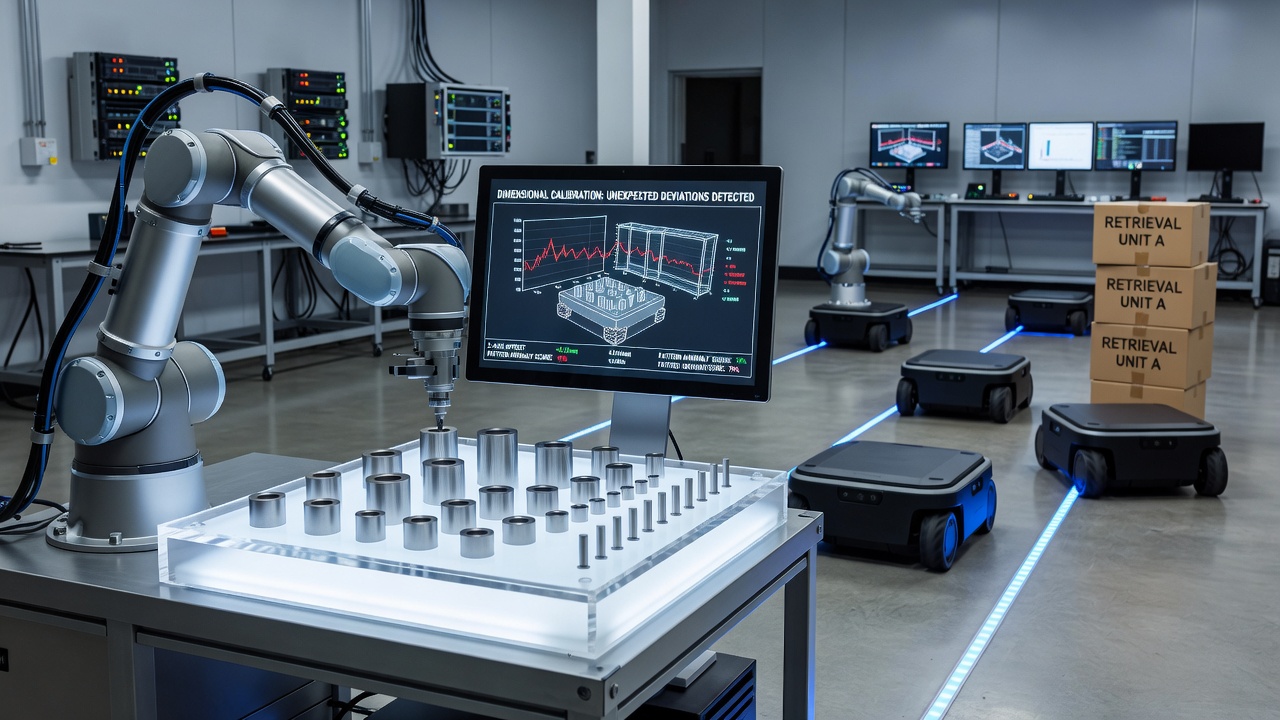
Another observed phenomenon appears in the way adaptive systems redistribute computational resources after calibration updates, resulting in altered crawl or fetch priorities that affect downstream indexing tasks. Evidence suggests these redistributions stem from recalibrated relevance scores that rebalance load across server clusters, and analysts tracking resource allocation note corresponding drops in certain retrieval frequencies alongside rises in others. Such patterns surface consistently in environments where calibration incorporates real-time feedback, demonstrating the interconnected nature of dimensional adjustments and system-wide retrieval dynamics.
Integration with Broader System Architectures
Calibration techniques interact with existing adaptive frameworks by feeding updated parameters into reinforcement learning modules that refine retrieval policies over successive cycles, and this integration produces measurable effects on pattern stability. According to findings published through university research programs, systems employing frequent low-impact calibrations exhibit fewer abrupt shifts compared with those using periodic full recalibrations, although both approaches generate secondary influences on query throughput. Engineers track these interactions through specialized dashboards that log dimension-wise changes alongside retrieval statistics, providing granular visibility into how adjustments accumulate across operational periods.
Conclusion
Dimensional calibration continues to shape automated retrieval in adaptive online systems through documented mechanisms that extend into unexpected pattern modifications, with data from multiple sources confirming the scope of these influences. Ongoing evaluations in late 2026 and beyond will likely supply additional metrics on long-term effects as platforms refine their calibration protocols in response to observed behaviors.