Drew Klein · 5 September 2026
How Incremental Changes in Site Structure Can Reshape Indexing Behaviors in Complex Web Environments
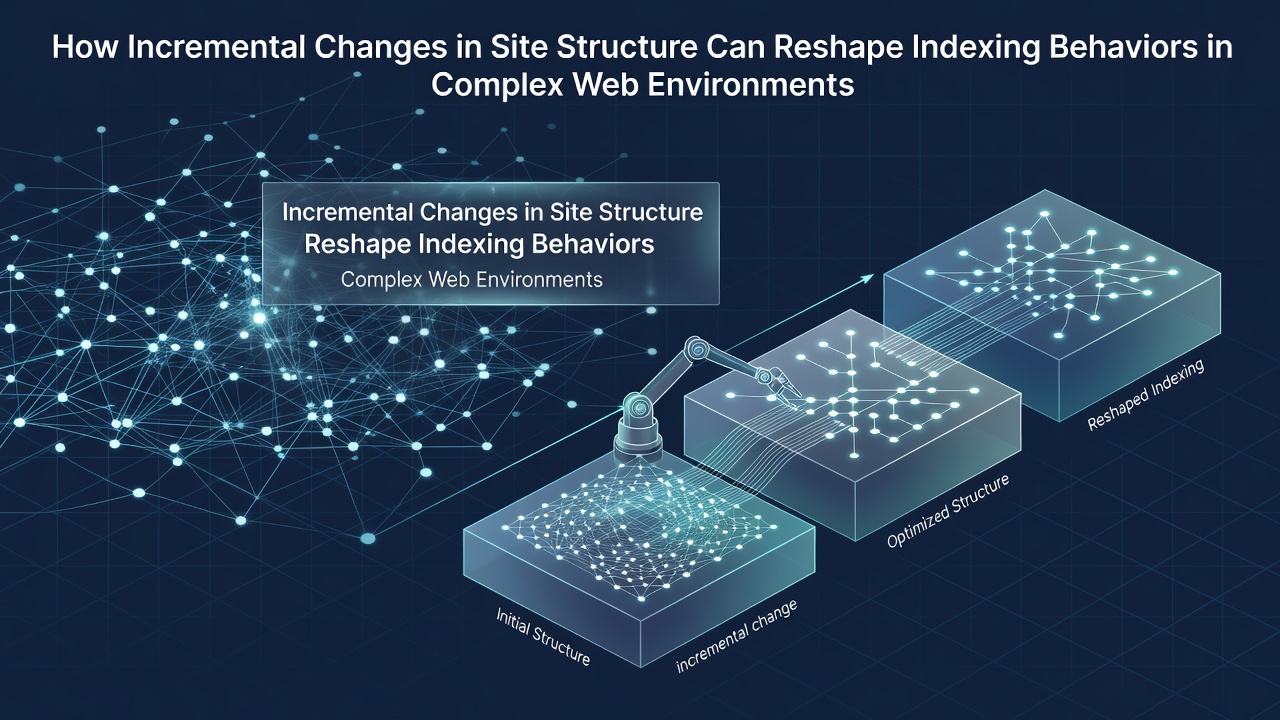
Site structure refers to the organized arrangement of pages, directories, and internal links that define how content connects across a domain, and even small adjustments in this layout can alter how search engine crawlers discover and prioritize pages in large-scale environments.
Core Mechanisms Behind Indexing Responses
Search engines rely on crawling algorithms that follow links and evaluate signals such as depth, freshness, and interconnectivity, so modifications to navigation menus, URL hierarchies, or sitemap configurations directly influence which pages receive initial attention and how frequently they return for re-crawling. Data from web infrastructure studies shows that adjustments as minor as flattening a single subdirectory level can reduce average crawl depth by several hops, which in turn accelerates indexing for previously buried resources while deprioritizing others that lose prominent pathways.
Researchers at institutions tracking large-scale web graphs have documented cases where the addition of breadcrumb navigation or refined category clusters led to measurable shifts in how bots allocate their request budgets across thousands of URLs. These patterns emerge because crawlers treat structural cues as proxies for importance, and incremental updates compound over successive visits rather than triggering immediate overhauls.
Practical Examples of Structural Tweaks
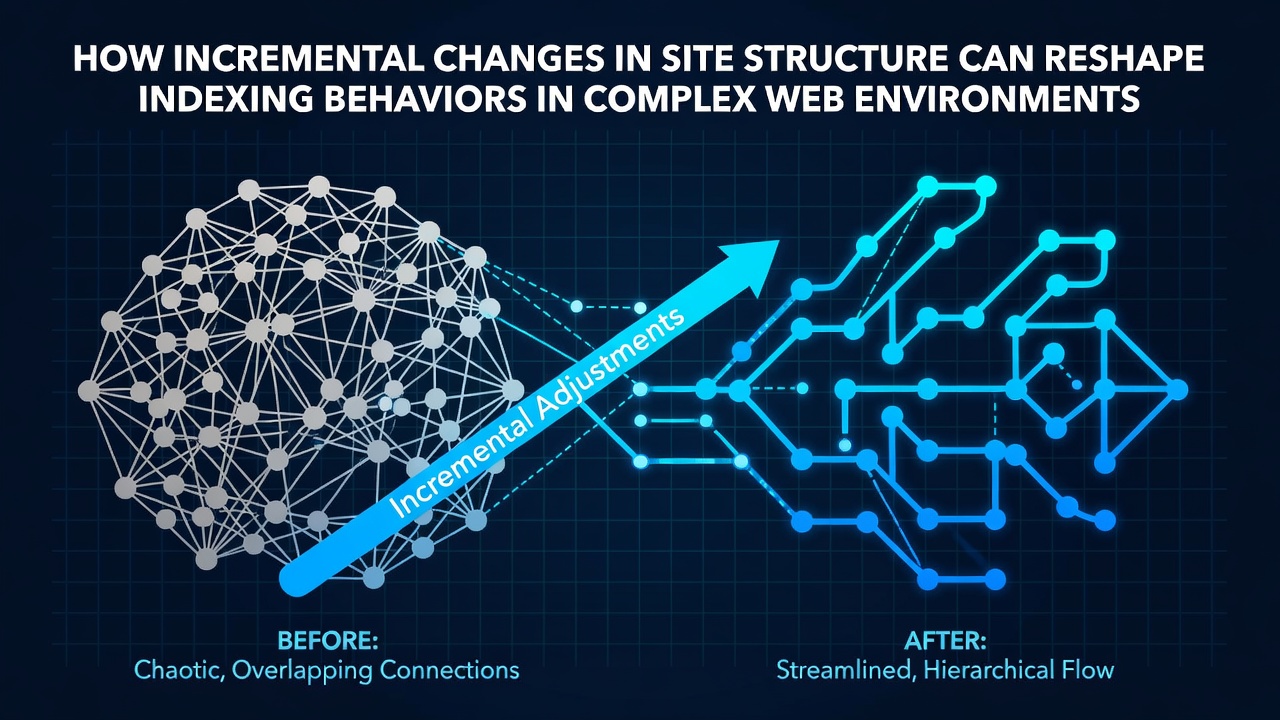
One common adjustment involves consolidating duplicate category pages into canonical hub nodes, which redirects crawler attention toward consolidated content and away from fragmented duplicates that previously competed for the same signals. Another approach centers on refining internal link placement within footer or sidebar elements, where the relocation of a handful of high-value connections can propagate ranking authority more evenly across an otherwise siloed section of the site.
Studies of enterprise websites reveal that altering pagination structures, such as switching from query-parameter sequences to numbered directory paths, frequently results in broader coverage of archive pages that had previously been skipped due to perceived duplication risks. Those who've examined logs from content management systems note that these changes often produce effects noticeable within weeks, as bots adjust their priority queues based on updated link graphs.
Effects Observed in Large-Scale Deployments
Complex web environments, including news portals and e-commerce platforms with millions of dynamic pages, demonstrate that incremental structural refinements can redistribute indexing load without requiring full site redesigns. For instance, the introduction of hub-and-spoke linking patterns around seasonal content clusters has been shown to increase the proportion of pages indexed within the first crawl cycle following deployment.
According to analyses published by the National Institute of Standards and Technology, even modest expansions of XML sitemap granularity correlate with improved coverage rates in environments where robots.txt rules previously limited access to certain subdirectories. In September 2026, industry monitoring services reported continued evolution in these behaviors as sites adopted more granular internal link signals amid growing use of JavaScript-rendered navigation elements.
What's notable is how these adjustments interact with external factors such as mobile-first indexing protocols, where changes to responsive menu structures can further amplify or dampen the visibility of mobile-optimized sections compared to their desktop counterparts. Observers tracking European web projects have found similar outcomes when organizations updated schema markup placement within structural templates, leading to enhanced rich result inclusion without alterations to the underlying content itself.
Measurement Approaches and Data Patterns
Teams monitoring server logs and search console data track metrics like average crawl frequency, index coverage ratios, and orphan page counts to quantify the impact of each structural modification. Research indicates that sites implementing phased rollouts of URL canonicalization often see a 15 to 25 percent reduction in duplicate indexing signals within the first quarter after changes take effect.
One study from Australian academic networks highlighted how incremental additions of related-article widgets altered discovery paths for long-tail content, resulting in higher inclusion rates for pages that had remained unindexed despite existing in the public directory structure. These findings underscore the cumulative nature of indexing adjustments, where multiple small interventions build upon one another to reshape overall crawler behavior over time.
Conclusion
Incremental modifications to site architecture continue to serve as a primary lever for influencing indexing outcomes in intricate online ecosystems, with evidence drawn from technical reports and log analyses confirming their measurable effects across diverse platforms. As web environments grow more layered, the strategic sequencing of these updates remains a documented factor in how efficiently crawlers allocate resources and surface content.